Reducing food waste

Tips for restaurants
Alexandra Gorsche © Conny Leitgeb Photography
14. April 2023 | 
Alexandra Gorsche
14. April 2023
|
Alexandra Gorsche

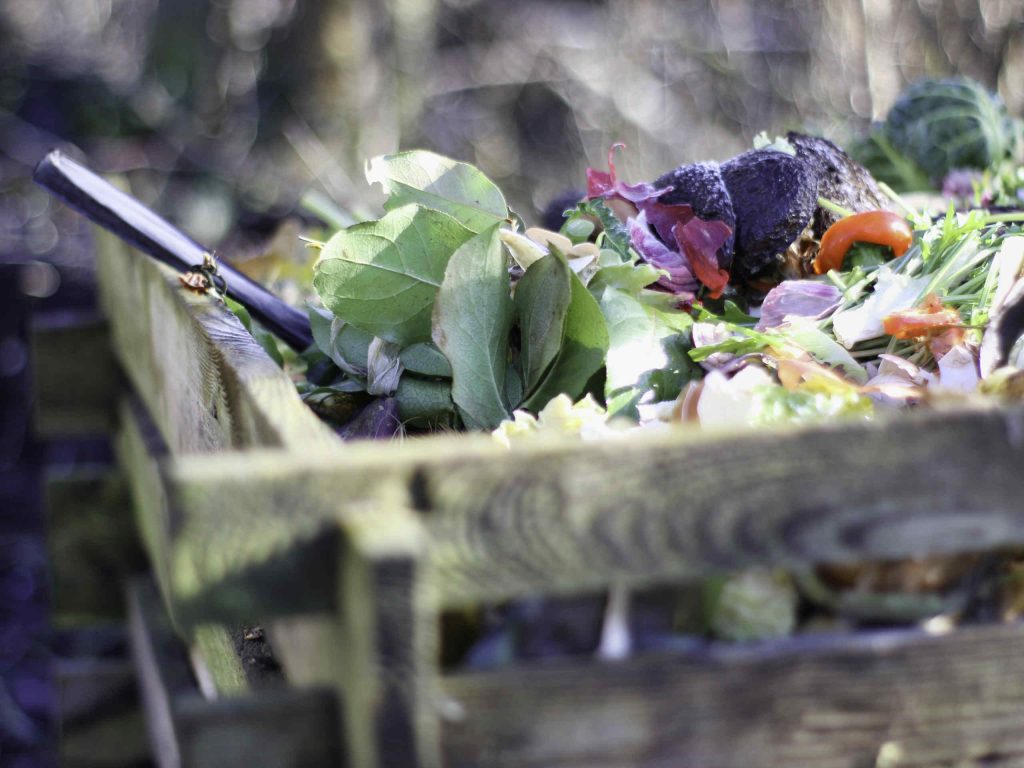
Reducing food waste is an important issue in the catering industry. It is worth taking measures to reduce food waste, not only from an environmental perspective, but also from an economic one. Worldwide, one third of food ends up in the bin. In the EU, an estimated 173 kg of food waste is produced per person. Converted to Austria, that’s 143 fully loaded articulated lorries every day. Food waste is a massive problem for the environment. And means the loss of goods that have already been used.

Reduce food waste

We'll tell you how you can start saving money for a better future:

  1. Raise awareness: To reduce food waste, it is important to raise awareness of the issue. Inform your employees about the importance of reducing food waste and train them in food handling. Make your guests aware of the issue too, e.g. by including references to sustainable cuisine on your menu or on notice boards in the restaurant.
  2. Planning and ordering: One effective way to reduce food waste is to optimize the planning and ordering of food. Make sure that you only order as much as you need and plan your dishes so that you use as many ingredients as possible. Also make sure to choose seasonal and regional products to minimize transport routes and protect the environment.
  3. Storage and preparation: Storing food properly can help to extend its shelf life and thus reduce waste. Establish a food storage system and train your employees in the correct handling of food. Also avoid unnecessary preparation of dishes, e.g. by cutting vegetables only when needed.
  4. Creativity when using leftovers: Leftovers can often be put to good use. Think about how leftovers can be used in new dishes. For example, leftover vegetables can be used in soups or stews. Leftover bread or bread rolls can also be used as croutons or breadcrumbs.
  5. Portioning: Overportioning dishes often leads to food waste. Make sure you serve appropriate portions, offer the option of a supplement and give your guests the opportunity to take leftovers with them. This way, your guests can not only eat more sustainably, but also enjoy your delicacies the next day.
3 top zero waste tips

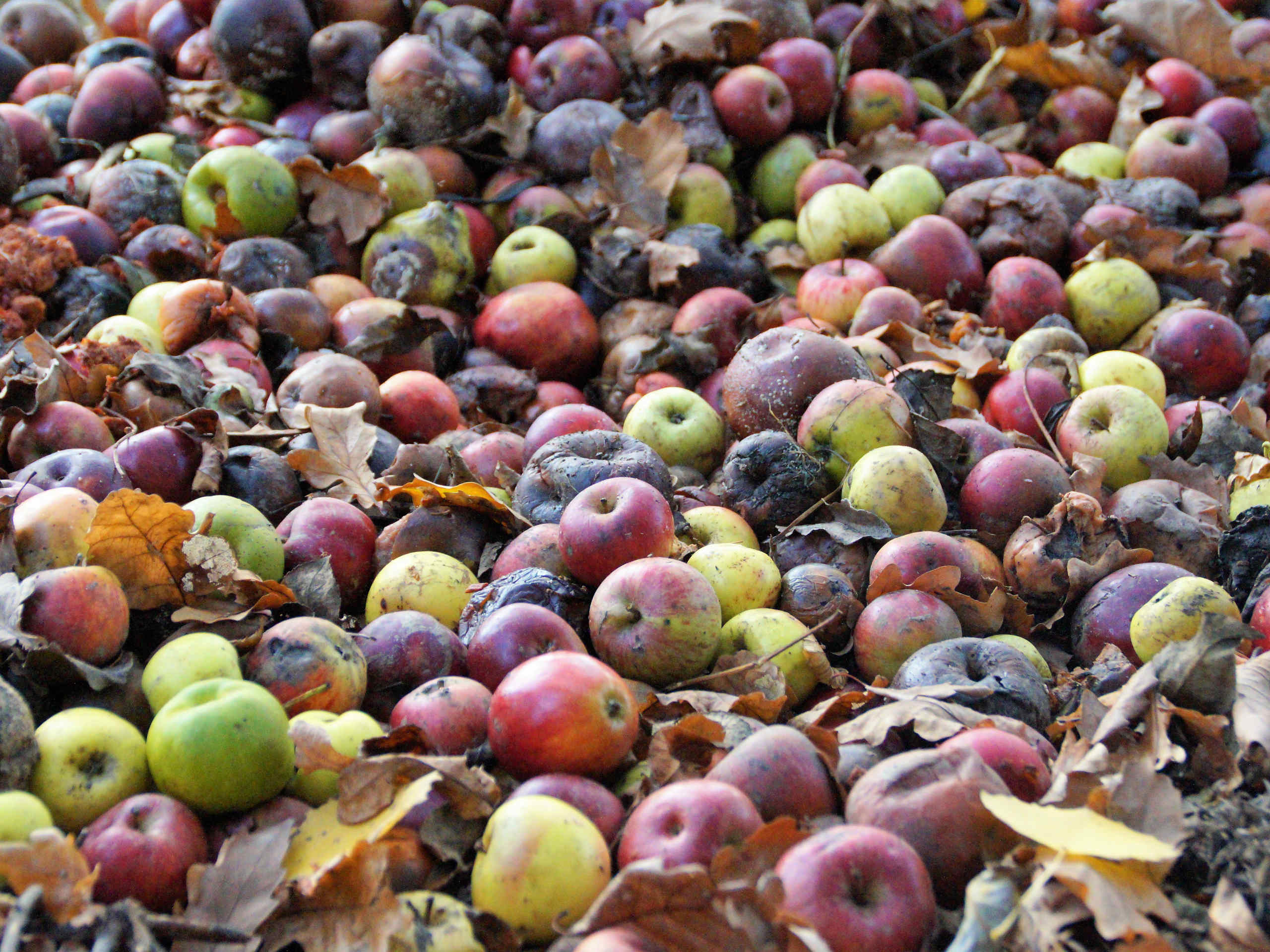
  • What to do with so many apples?
    Especially if you have your own garden, the harvest can sometimes be overwhelming. Not all produce can be used fresh straight away. Apples and other fruit are ideal for making jams, chutneys, purees, compotes, juices, teas and potato chips. You can serve apples to your guests all year round.
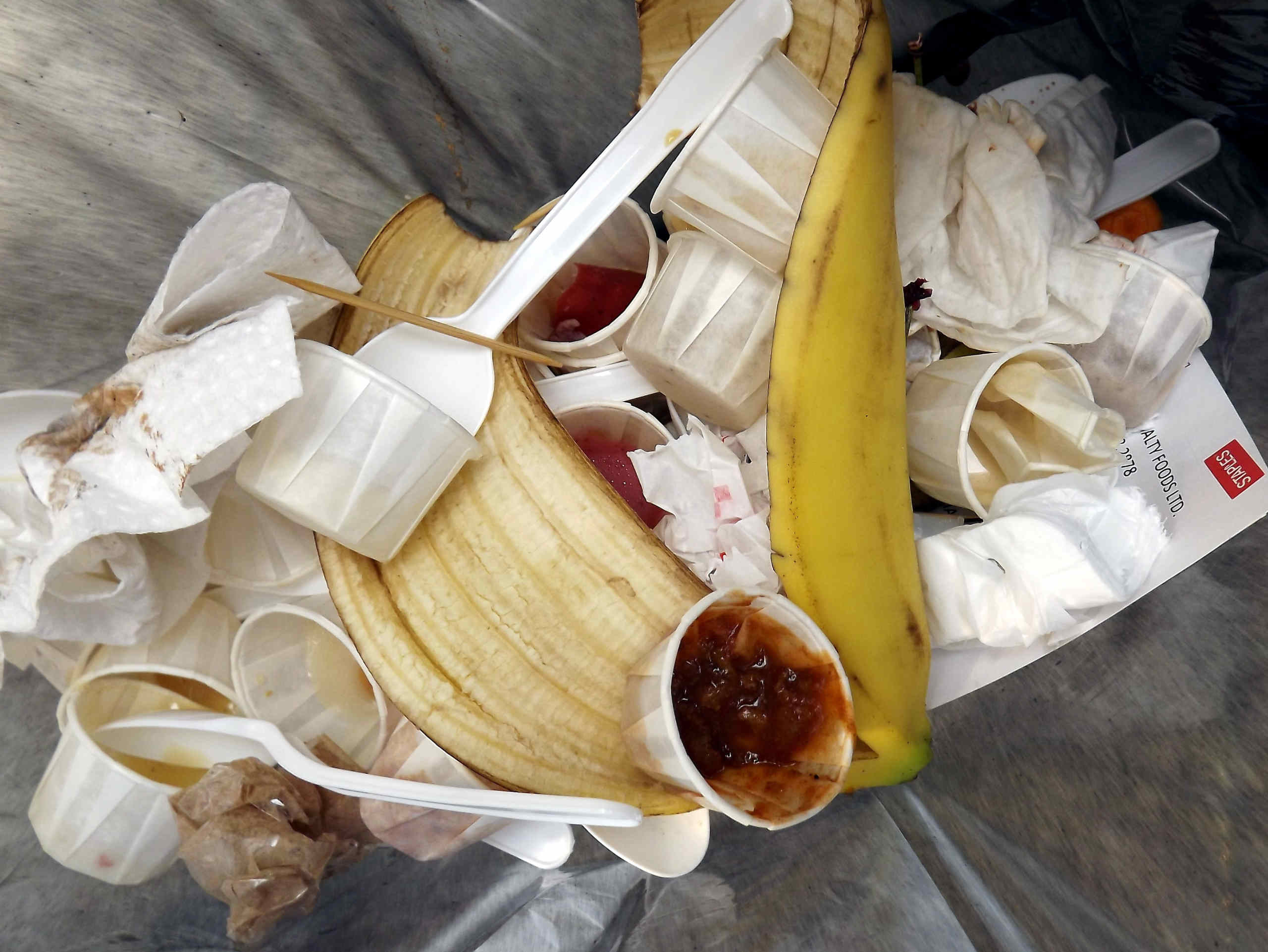
  • Banana peels as an alternative to pulled pork?
    Organic banana peels don't have to end up in the bin. Use a spoon to scrape out the inner, white layer of the peel. Then tear the banana peel lengthwise into strips with a fork. Add the oil, paprika powder and cumin. Then fry with onions and BBQ sauce - and your meat-free pulled pork alternative is ready! Your guests will be delighted!
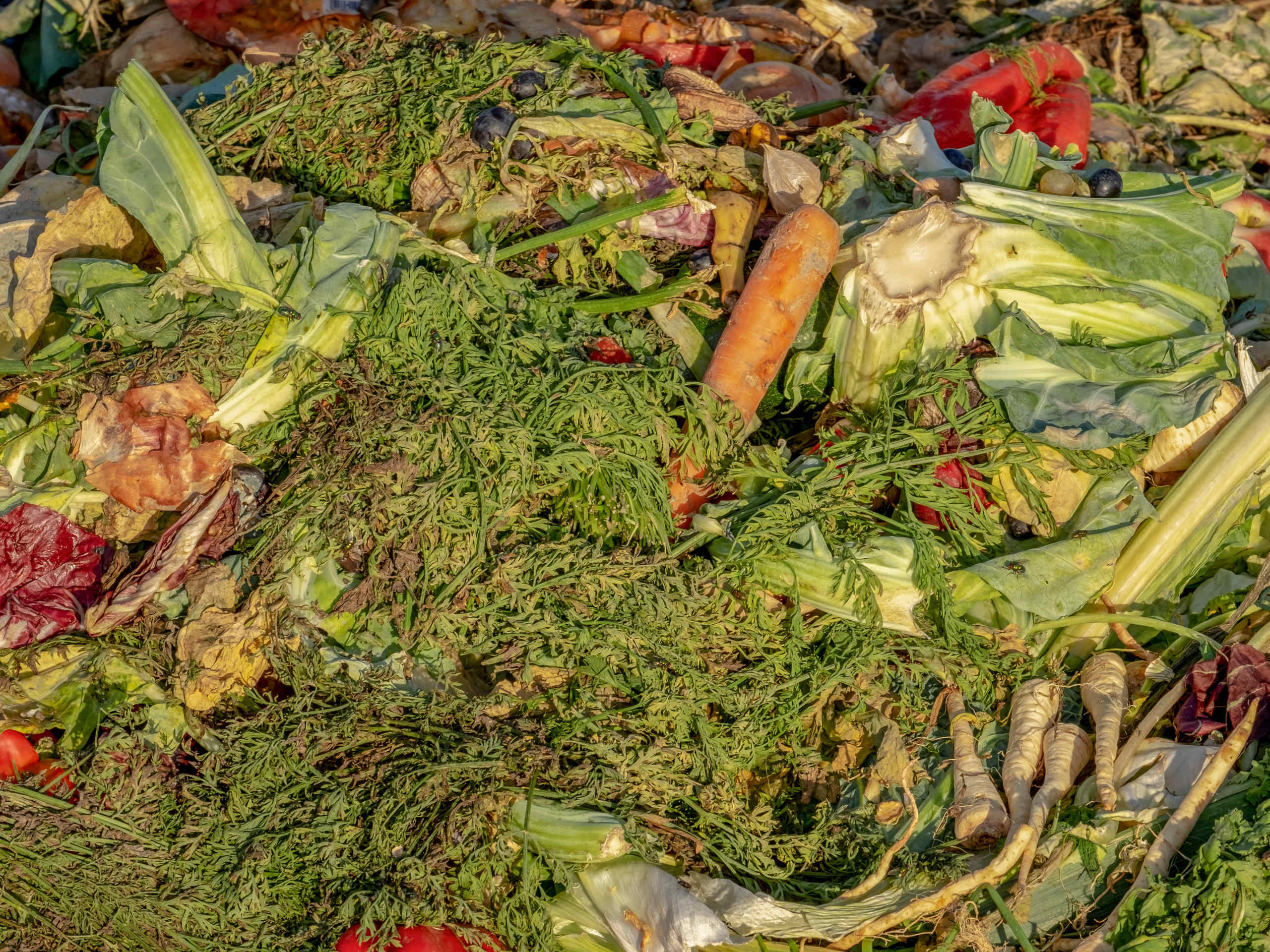
  • Carrot greens: Please tear them off? NO!
    You can make a delicious pesto from carrot greens. But the greens can also be used to spice up smoothies or make a creamy soup. Just give it a try!

Fazit

Lebensmittelabfälle sind in der Gastronomie ein großes Problem. Durch eine bewusste Planung, Lagerung und Verwertung von Lebensmitteln könnt Ihr als Restaurantinhaber oder Koch einen wichtigen Beitrag zur Reduzierung von Abfällen leisten und damit noch dazu Geld sparen.

A la table, s'il vous plaît! A la table, s'il vous plaît! A la table, s'il vous plaît! A la table, s'il vous plaît!

AI 2026

From Experiment to Structural Integration

Artificial intelligence has become part of everyday life in many businesses – but by 2026, it will become a structural imperative. The focus is no longer on testing individual tools, but on the question of how AI can be deployed reliably, effectively, and across the entire organization. Examples from tourism, events, and organizations already demonstrate today how scaling works in practice – and where AI specifically reduces the workload.

A clear turning point is emerging for the year 2026. The company-wide deployment of AI is taking center stage. This is the conclusion reached by Hamburg-based AI expert and interim manager Eckhart Hilgenstock, who has analyzed numerous national and international studies on the development of artificial intelligence. His conclusion is clear: “Following the pilot project phase in 2024/25, many companies are aiming to scale AI within their organizations by 2026.”

Pasta has never been just al dente

Why Italian Cuisine Is Currently Being Radically Rewritten

In 2025, Italy was officially designated a UNESCO World Heritage Site – for its cuisine. Not a single dish. Not a single product. An entire cuisine. As a “system of social practices, regional traditions, and collective rituals”. The initiative for this historic recognition was largely spearheaded by the long-established culinary magazine La Cucina Italiana, whose editor-in-chief, Maddalena Fossati Dondero, has been actively driving the international push for the UNESCO listing of Italian culinary culture since 2020.

And now, of all times, pasta is being reinvented. What sounds like a contradiction is, in truth, a logical consequence: if a cuisine is cultural heritage, it must not become stagnant. It must continue to evolve. Pasta is not merely a side dish in this context. It is the stage.

Trendspotting Munich

Dry January: From a Monthly Phenomenon to an Industry Standard

Dry January is no longer just a month of abstinence. It’s a barometer. For changing guest preferences. For more conscious consumption patterns. For a new aesthetic of enjoyment. Anyone who still believes in 2026 that non-alcoholic drinks are merely lemonade in a crystal glass has failed to grasp the trend. At Bar Montez in the Rosewood Munich, Bar Manager Mario Sel demonstrates just how sophisticated, structured, and gastronomically relevant non-alcoholic creations can be today – and why they have long been a strategic component of contemporary bar culture.

quick & dirty
Zero Waste © Alexandra Gorsche
Reducing food waste

Reducing food waste is an important issue in the catering industry. It is worth taking measures to reduce food waste, not only from an environmental perspective, but also from an economic one. Worldwide, one third of food ends up in the bin. In the EU, an estimated 173 kg of food waste is produced per person. Converted to Austria, that’s 143 fully loaded articulated lorries every day. Food waste is a massive problem for the environment. And means the loss of goods that have already been used.