“The eaters of the future will not eat a vegan diet, but will draw on numerous different food and nutrient sources and use this diversity to pursue an ethically and socially just, healthy, ecological and sustainable diet.”
Hanni Rützler, food trend expert
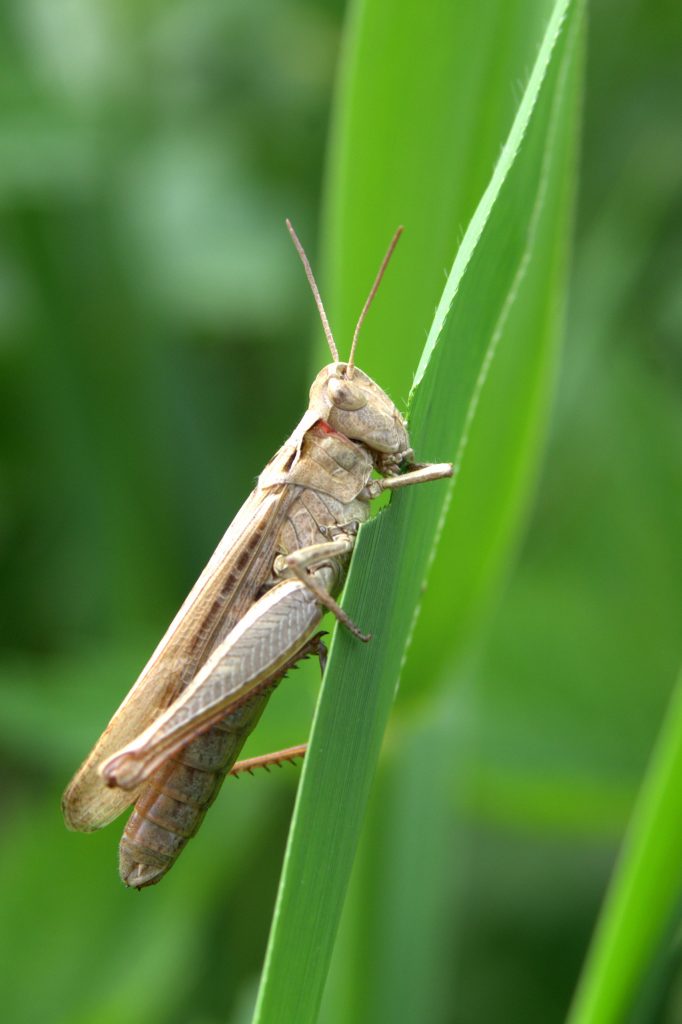
The insect food scene is taking stock: start-ups, producers, food retailers and restaurants are using the recent approval of the dried larva of the mealworm (Tenebrio molitor) and the safety assessment of the migratory locust (Locusta migratoria) by the European Commission as official foods for a joint roundup: snacks made from crickets, beetles and co. are finally to be taken out of their niche existence and ensure a more sustainable, healthier and more environmentally conscious diet for consumers. The food service industry is driving the use of insects on the plate with its usual love of experimentation and passion for innovation. Food retailers are also becoming more open to listing and selling novel food products.
Hanni Rützler is convinced, as she states in the Food Report 2022:
“...The eaters of the future will not eat a vegan diet, but will draw on numerous different food and nutrient sources and pursue an ethically and socially just, healthy, ecological and sustainable diet through this diversity: They will eat fruits, vegetables, grains and legumes, mushrooms, algae and herbs, plant-based food and the 'good', the 'wild' and the 'whole' animal, as well as products made from insects or from nutrients derived from microorganisms through fermentation...”.
There seems to be no doubt that food made from mealworms, crickets or beetles will be on consumers' menus in the near future, closing a conscious, forward-looking and, above all, tasty food gap between meat consumption and veganism.
According to the FAO (Food and Agriculture Organization of the United Nations), 2.5 billion people worldwide, mainly in Asia, Africa and Latin America, currently eat insects. But restaurants such as the “Archipelago” in London, “Crossfields Australian Pub” in Vienna and the “Australian Bar & Kitchen” in Nuremberg already have insects on their menus. Because one thing is clear: the world's population is constantly growing, and the demand for food and animal proteins goes hand in hand with it.
Snails and insects can make an important contribution, as they score highly in terms of food conversion efficiency, cause only small amounts of greenhouse gases and water consumption and have a different sensitivity to pain. Their nutrient balance can also easily keep up with that of meat and fish. A look at the past few years shows that eating habits are changing rapidly in a globalized world, such as the acceptance of raw fish in the form of sushi. Insects only have a chance in the long term if the taste and presentation are convincing.
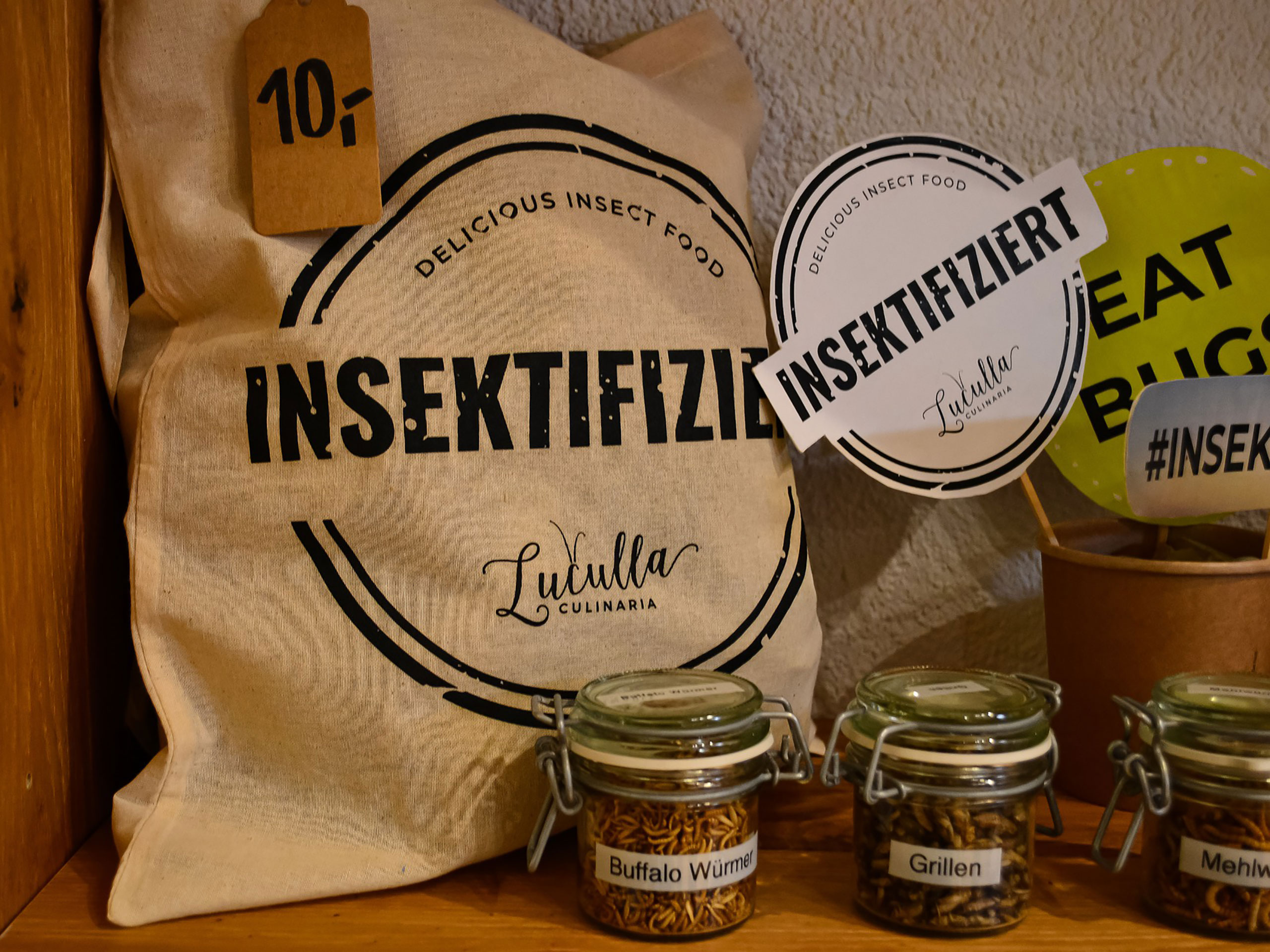
Since 2017, insect chef Nicole Sartirani and her business partner Diego Castro have been working diligently with their catering company MikroKosmos Berlin to make edible insects better known throughout Germany with the aim of inspiring people with their culinary creations and giving them an understanding of the great added value of insects in their diet:
“Every further approval of novel foods made from insects, in accordance with the Novel Food Regulation, helps us to gain more trust from consumers. We are noticing that attention and curiosity about the topic is increasing, but there is still a long way to go before insects are integrated into everyday Western dishes, just as tofu or sushi once were.”
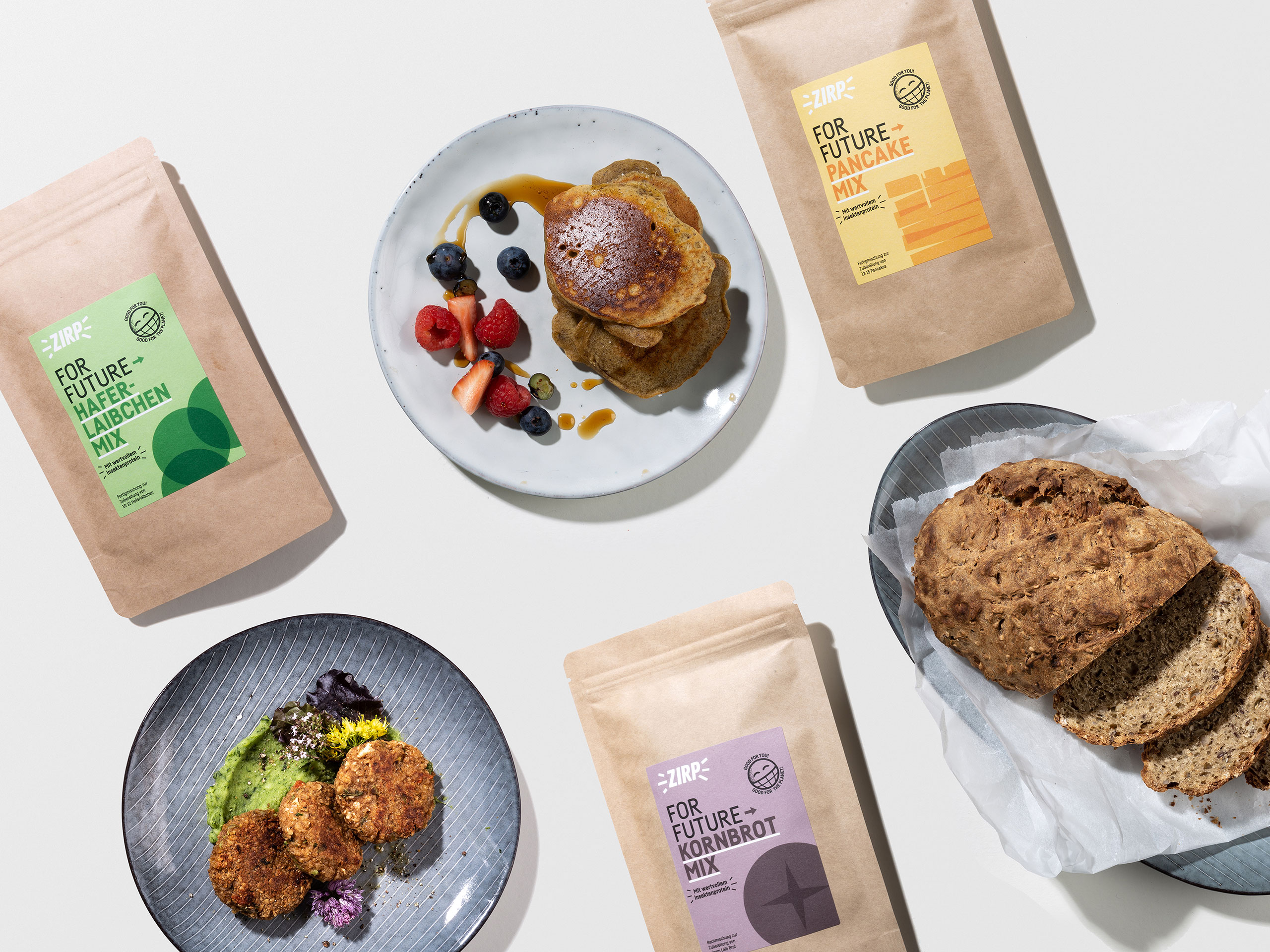
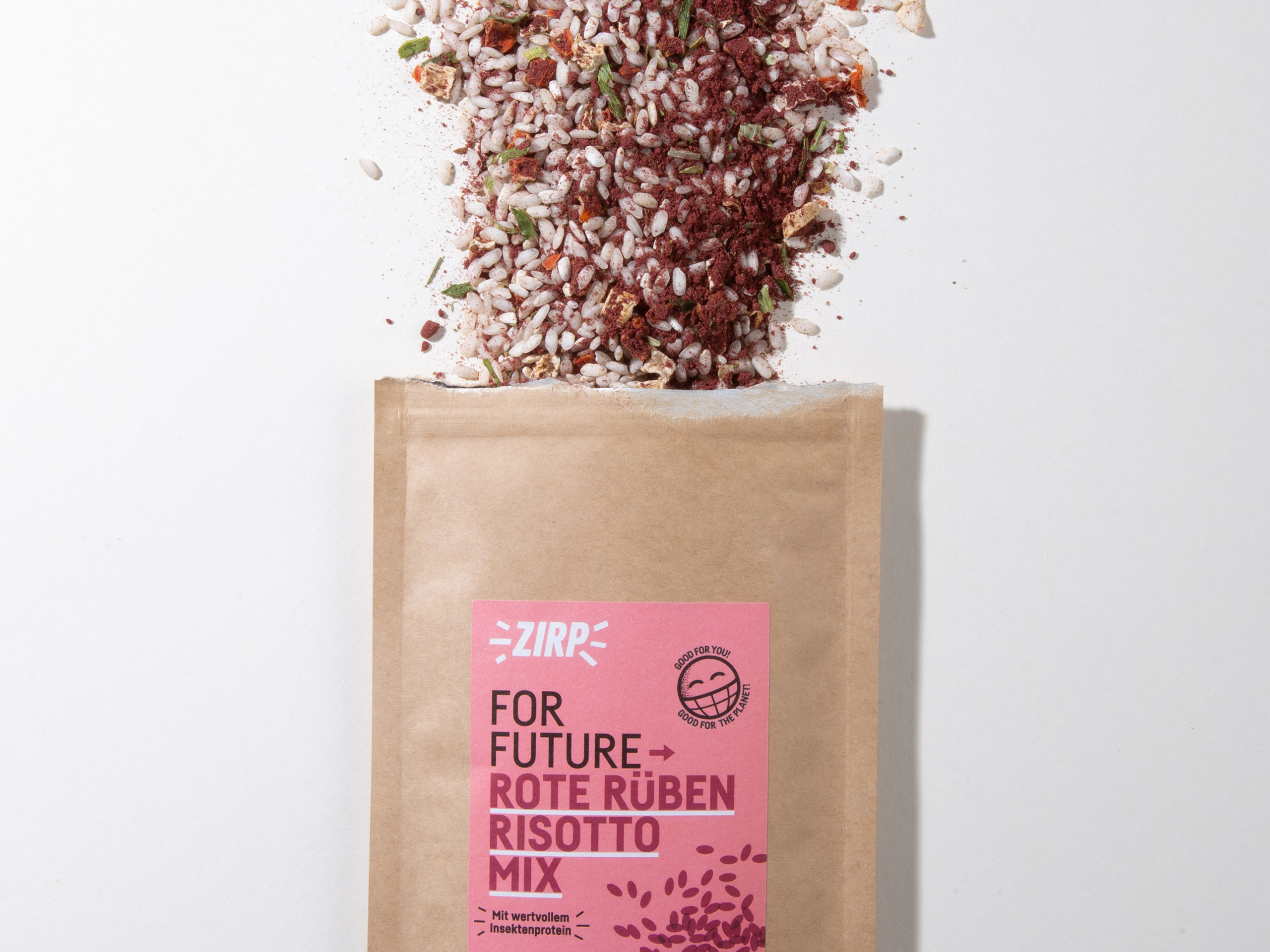
For the end consumer, the Viennese company „Zirp Insects“, for example, offers an easy introduction with ready-made products and baking mixes ranging from soups to risotto and pancakes.
With around 2000 edible insect species to discover, a world of textures and flavors opens up that we should definitely get to know.

What happens when traditional Swiss cheese-making meets plant-based fermentation? The result isn’t a substitute product, but an entirely new category. New Roots describes itself as a “vegan dairy” and produces artisanal, plant-based cheese alternatives in Oberdiessbach. Founded in 2016 in Thun, the company is one of the pioneers of European vegan cheese culture and now produces around 30,000 cheese products weekly. Particularly noteworthy: Production follows traditional ripening methods using fermentation, ripening cultures, and artisanal care rather than texturizing additives. For establishments looking to elevate their vegan offerings to fine-dining standards, it’s worth taking a closer look at the following products.
Whether it’s quality meat saved through Too Good To Go, plant-based steaks from Planted, or Zero Waste BBQ according to the Kotányi Grill Study: The 2026 grilling season stands for mindful enjoyment, new taste experiences, and smart ways to save money while grilling.
Most great wines are opened too early. Michael Kerschbaum turns this principle on its head and, with the Blaufränkisch “X” 2015, brings a wine to market that is available precisely when it has reached its full potential. A rare statement in favor of patience, terroir, and the true greatness of Blaufränkisch.
With the Blaufränkisch “X” 2015, the Kerschbaum Winery is making a deliberate statement against the fast-paced nature of the wine world. Ten years of aging, uncompromising selection, and a clear vision: to make a Blaufränkisch available precisely when it has reached its full potential.
The insect food scene is taking stock: start-ups, producers, food retailers and restaurants are using the recent approval of the dried larva of the mealworm (Tenebrio molitor) and the safety assessment of the migratory locust (Locusta migratoria) by the European Commission as official foods for a joint roundup: snacks made from crickets, beetles and co. are finally to be taken out of their niche existence and ensure a more sustainable, healthier and more environmentally conscious diet for consumers. The food service industry is driving the use of insects on the plate with its usual love of experimentation and passion for innovation. Food retailers are also becoming more open to listing and selling novel food products.